Daniel Adeyemi
A mechanical and systems engineer's professional site, built around a live project archive, tap-to-inspect system diagrams and a public field-notes practice.
 TAIWO ATLAS
Taiwo Atlas is a front-end developer and digital experience builder. The work spans security platforms, agricultural commerce, editorial ecosystems and institutional archives — well over fifty projects united by one discipline: understand the problem before touching the interface.
I build websites for people and organisations that have something real to say or do. Sometimes that is a professional reputation. Sometimes it is a business, a creative practice, a community project or a bigger idea that needs a proper home online.
I don't start with a template and try to squeeze a story into it. I first figure out what the site needs to say, who needs to use it and what should happen when they move through it. Then I design and build around that.
The work here covers very different people, industries and ideas. That is intentional. I enjoy learning what makes each project different, then giving it a website that feels like it belongs to it.
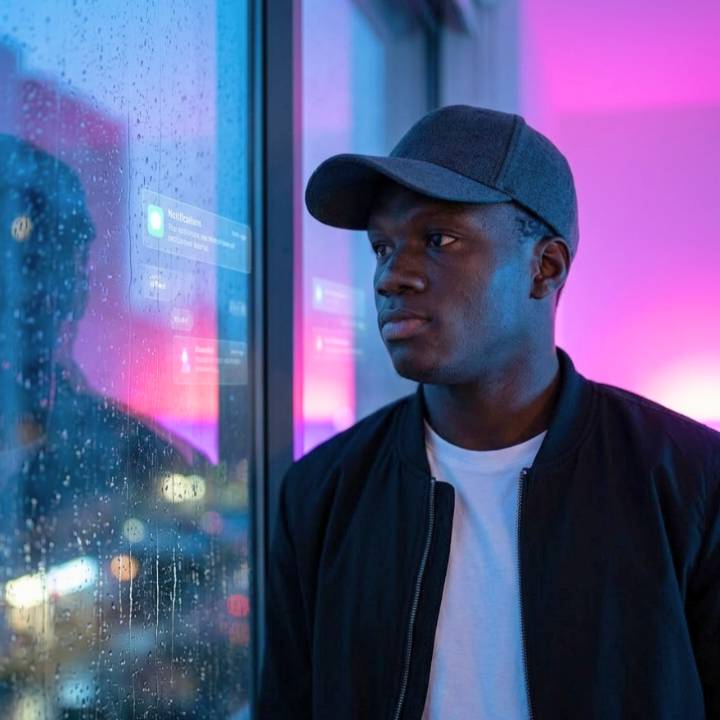
Taiwo Atlas — Lagos, Nigeria
A mechanical and systems engineer's professional site, built around a live project archive, tap-to-inspect system diagrams and a public field-notes practice.
A moving-services concept built to remove the guesswork from relocation — a six-step move builder, live tracking from pickup to delivery, and a dedicated path for business relocations.
A visual storytelling portfolio designed as an editorial archive, with image-led navigation and a strong photographer-first identity.
A water-access nonprofit platform structured around a seven-step operating model — listen, assess, design, repair, train…
A personal website that turns a professional journey into a navigable story rather than a conventional CV.
A complete publishing ecosystem for a nonfiction author — book microsite, chapter reader, press room, appearance archive…
A large-scale property development site presenting phased construction progress, unit specification and location context…
A funding and grant-discovery product where the core interaction is filtering opportunities by eligibility and deadline…
I care about the details, but I don't design for the sake of showing off details. A good website should make sense, feel natural to use and leave people with a clear idea of who they just met.
A visual direction that feels made for the person, brand or idea behind the website.
Responsive, working interfaces—not just pretty screens sitting in a presentation.
Finding the right voice, structure and visual language before the pages start multiplying.
Multi-page websites where each page has a reason to exist and the whole thing feels connected.
We start with what you are trying to achieve, not with a blank page and a favourite font.
We work out the story, pages and structure so visitors know where they are and where to go next.
The design becomes a real website, with interactions and details that work across screen sizes.
Then we slow down and fix the little things—the spacing, mobile behaviour, transitions and final polish.
Something more personal and useful than a CV—your work, experience and personality in one place.
A home for photography, writing, music, art or any creative practice that deserves more than a social profile.
A clear digital home for what you do, who you serve and why the work matters.
Sometimes there is no business or organisation to hide behind. Just a person with a story worth telling well.
What a mechanical engineer's field notes taught me about presenting technical work: show the specification, not the adjective.
Building a 50+ project archive with live filtering, sorting and two view modes — and why the empty state took longer than the grid.
A single-purpose author page and a full publishing ecosystem look similar until you check how many jobs the site actually has to do.